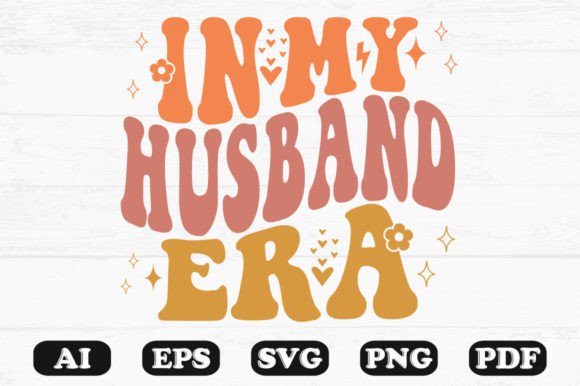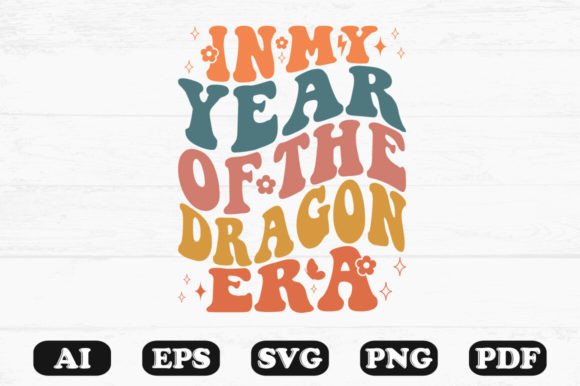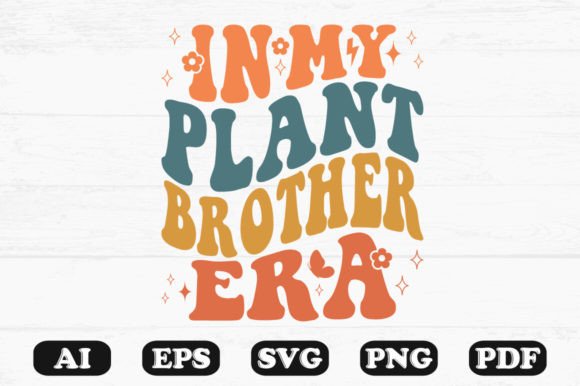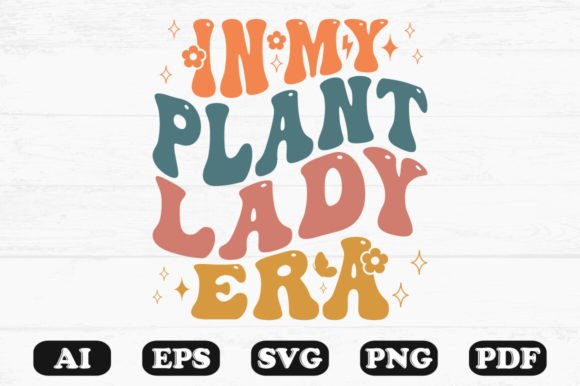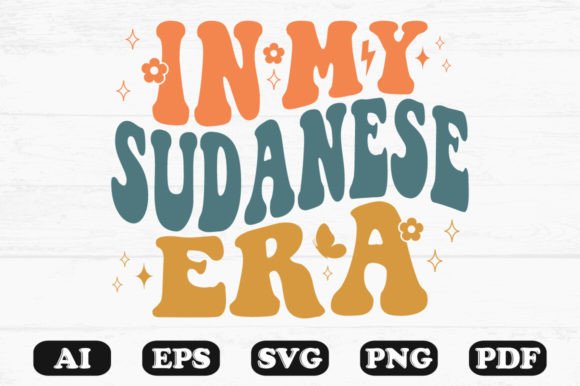
In My Sudanese Era Retro Wavy SVG
First Impressions: A Warm, Nostalgic Pulse—Not Just Another Typography File
When I opened In My Sudanese Era Retro Wavy SVG, I didn’t see just another text-based design—I felt its rhythm. The wavy baseline isn’t a gimmick; it’s intentional movement. It leans into vintage Sudanese graphic sensibilities—soft curves, confident spacing, and a quiet cultural resonance that avoids cliché. As an embroidery designer who’s stitched hundreds of quotes and slogans, I immediately asked: *Will this hold up in thread? Will it read clearly at 3 inches wide on a tote? Will it feel handmade—not digital-printed—on a baby onesie?*
A Real Project Test: Embroidering It on a Linen-Cotton Tote Bag
Last week, I used In My Sudanese Era Retro Wavy SVG for a small-batch order: six custom linen-cotton tote bags for a local cultural pop-up. These weren’t blank canvases—they were textured, medium-weight, and meant to be carried daily. I converted the SVG to a machine embroidery design using my standard workflow (no auto-trace; manual path simplification to preserve wave integrity), then ran test stitches on scrap fabric first.
The result? Clean satin-stitched outlines with gentle undulation—no jagged peaks or collapsed curves. Letterforms stayed legible even at 2.75" width. No crowding in the “Sudanese” ligature; no lost detail in the subtle taper of the “Era” tail. That told me something important: this isn’t just a vector file—it’s a thoughtful typography SVG built for translation into thread.
Where It Shines—and Where It Needs Thoughtful Handling
- Shines on: Sweatshirt embroidery (especially mid- to heavyweight fleece), embroidered patch blanks, aprons, pillow covers, and tea towels where texture adds character—not confusion.
- Works well for: Personalized gifts (think graduation, heritage celebrations, or new-parent keepsakes), boutique branding, and Etsy listings where emotional authenticity matters more than trend-chasing.
- Use carefully on: Stretchy fabrics (like jersey t-shirts) without proper cutaway stabilizer—the wave shape can distort under tension. Also avoid dense fill-stitch versions on thin baby onesies; opt instead for clean running-stitch outlines or satin-stitch only.
- Watch the corners: The outermost curves of the wave sit close to edge boundaries. On curved surfaces like caps or small hoop sizes (under 4"), trim or reposition slightly to avoid stitch truncation.
What This Design Says to Your Customer—Before They Even Read the Words
Embroidery isn’t just about legibility—it’s about tone. In My Sudanese Era Retro Wavy SVG communicates warmth, intentionality, and quiet pride. It doesn’t shout. It sways. That makes it ideal for handmade products where buyers seek meaning over mass production: a nursery wall hanging, a wedding guest gift for a Sudanese couple, or a small-shop sweatshirt that doubles as cultural affirmation.
I’ve seen customers pause longer over pieces using this kind of typography—not because it’s flashy, but because it feels considered. That pause builds trust. And trust converts: whether you’re selling on Etsy, at a craft fair, or through your own website.
Practical Designer Notes You’ll Actually Use
- Always test on scrap fabric first—especially with textured weaves. Linen, canvas, and unbleached cotton react differently to satin-stitch density than smooth twill.
- Check thread color contrast early. On dark fabric, a single-tone version reads beautifully—but consider a subtle second thread (e.g., cream outline + terracotta fill) to lift the wave shape without overcomplicating.
- Review stitch density before scaling. If you enlarge beyond 4", watch for overly dense fills that could cause puckering. Lighten fill stitch % or switch to stipple-fill alternatives if needed.
- Confirm hoop size compatibility. At full width (approx. 5–6"), it fits comfortably in a 5x7 hoop—but verify your machine’s max stitch area before finalizing.
- Inspect small details in black-and-white mockups. What looks balanced on screen may blur when stitched. Zoom in on the “S” and “R” terminals—do they retain their graceful taper?
- Compare light vs. dark backgrounds. This design gains depth on charcoal or olive, but softens on ivory. Adjust underlay stitch count accordingly.
- Use appropriate stabilizer. Medium-weight cutaway for knits, tear-away for stable wovens, and fusible + tear-away combo for lightweight linens.
- Verify licensing before commercial use. Since this is listed as a Graphics product in the Crafts category, confirm whether resale of finished embroidered items or redistribution of the SVG file is permitted.
Final Thought: Not Every SVG Is Ready for Thread—This One Is
Many retro typography SVGs look great on screen but fall apart in stitch: uneven spacing, fragile serifs, or waves that turn muddy at small scale. In My Sudanese Era Retro Wavy SVG avoids those pitfalls. It’s got rhythm *and* resilience. It respects the craft—not just the click.
Whether you're stitching a one-of-a-kind holiday gift, building a cohesive line of cultural apparel, or sourcing reliable design assets for your craft business, this SVG earns its place in your working library. Not as decoration—but as intention, translated into thread.